Sunflower Seeds تخمه‌های آفتابگردان

Sunflower Seeds (2010) تخمه‌های آفتابگردان (۲۰۱۰)

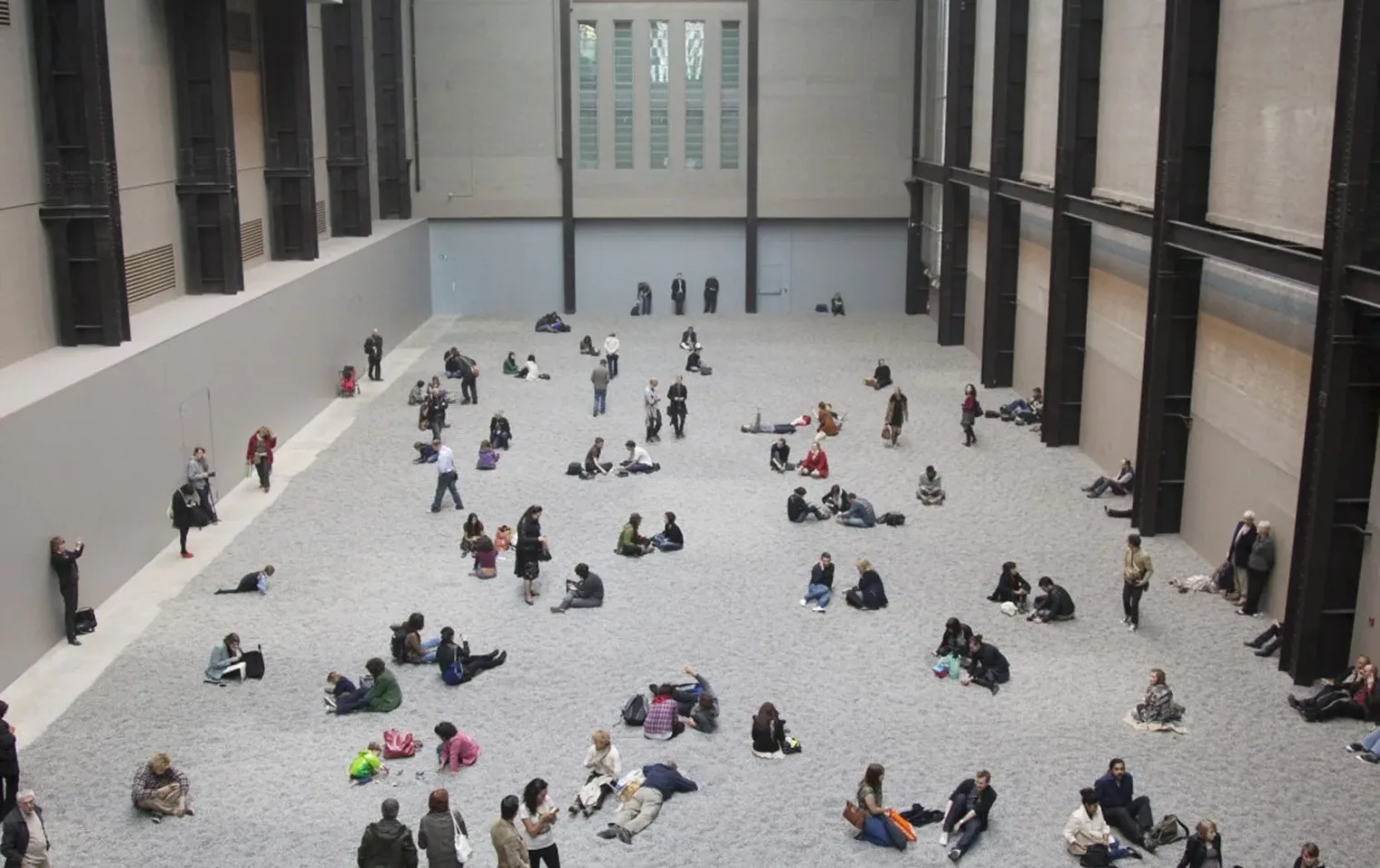
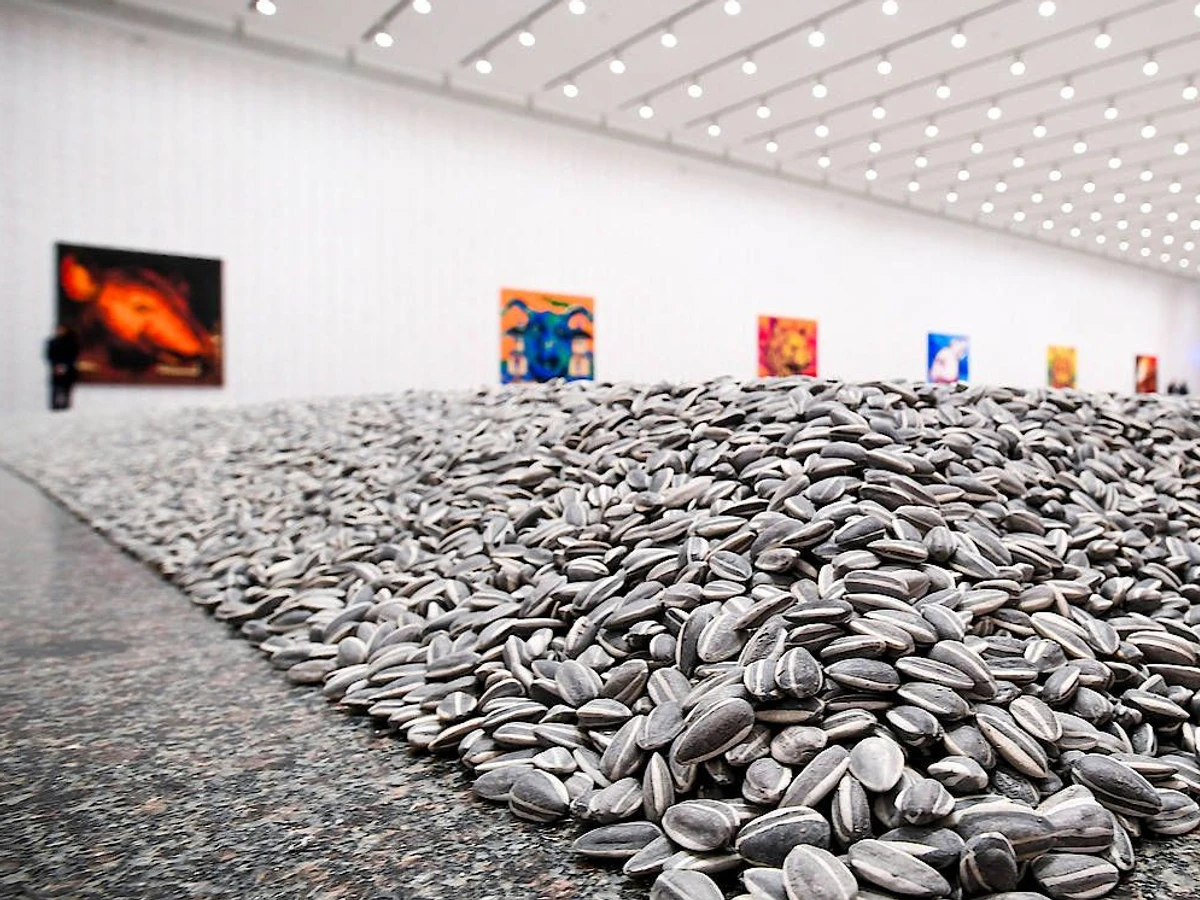
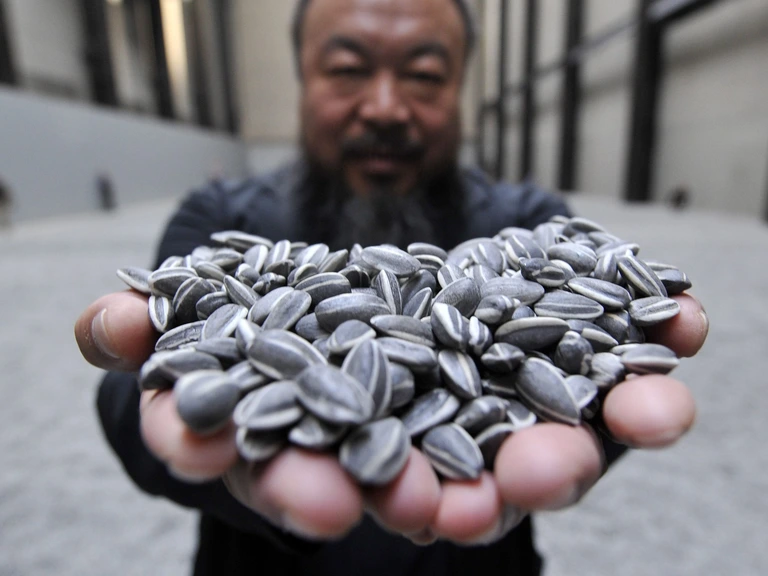
Exhibited at the Tate Modern's Turbine Hall, this monumental installation consists of one hundred million handmade, life-sized porcelain sunflower seeds. Created over two and a half years by 1,600 artisans in Jingdezhen—the historical center of Chinese porcelain production—each seed was individually sculpted and hand-painted. The sheer scale of the labor involved forms a central pillar of the artwork's meaning. این چیدمان عظیم که در تالار توربین گالری تیت مدرن به نمایش درآمد، از صد میلیون دانه تخمه آفتابگردانِ ساخته شده از جنس پرسلان در ابعاد واقعی تشکیل شده است. ساخت این اثر طی دو سال و نیم توسط ۱۶۰۰ صنعتگر در شهر جینگدجن (قطب تاریخی تولید پرسلان در چین) انجام شد و هر دانه به صورت جداگانه فرم داده و نقاشی شده است. مقیاس خیره‌کننده نیروی کار انسانی درگیر، ستون اصلی مفهوم این اثر هنری را شکل می‌دهد.


The work critically examines the 'Made in China' phenomenon, the geopolitical dynamics of mass production, and the tension between individual identity and the collective masses. Historically, during the Cultural Revolution, state propaganda depicted Chairman Mao as the sun and the citizens as sunflowers turning obediently toward him. By inviting viewers to walk upon and interact with these seeds, Ai Weiwei transformed a symbol of submission into a profound meditation on human multiplicity, endurance, and the devaluation of individual effort in a hyper-industrialized society. این اثر نقدی عمیق بر پدیده «ساخت چین»، دینامیک‌های ژئوپلیتیک تولید انبوه، و تنش میان هویت فردی و توده‌های جمعی است. از نظر تاریخی، در دوران انقلاب فرهنگی، پروپاگاندای حزبی مائو را به عنوان خورشید و شهروندان را به عنوان آفتابگردان‌هایی که مطیعانه رو به او می‌چرخند به تصویر می‌کشید. آی وی‌وی با این اثر، نمادی از تسلیم را به تأملی عمیق در مورد کثرت انسانی، استقامت، و بی‌ارزش شدن تلاش فردی در یک جامعه‌ی به شدت صنعتی تبدیل کرد.

Han Dynasty Urn گلدان دودمان هان

Dropping a Han Dynasty Urn (1995) انداختن گلدان دودمان هان (۱۹۹۵)

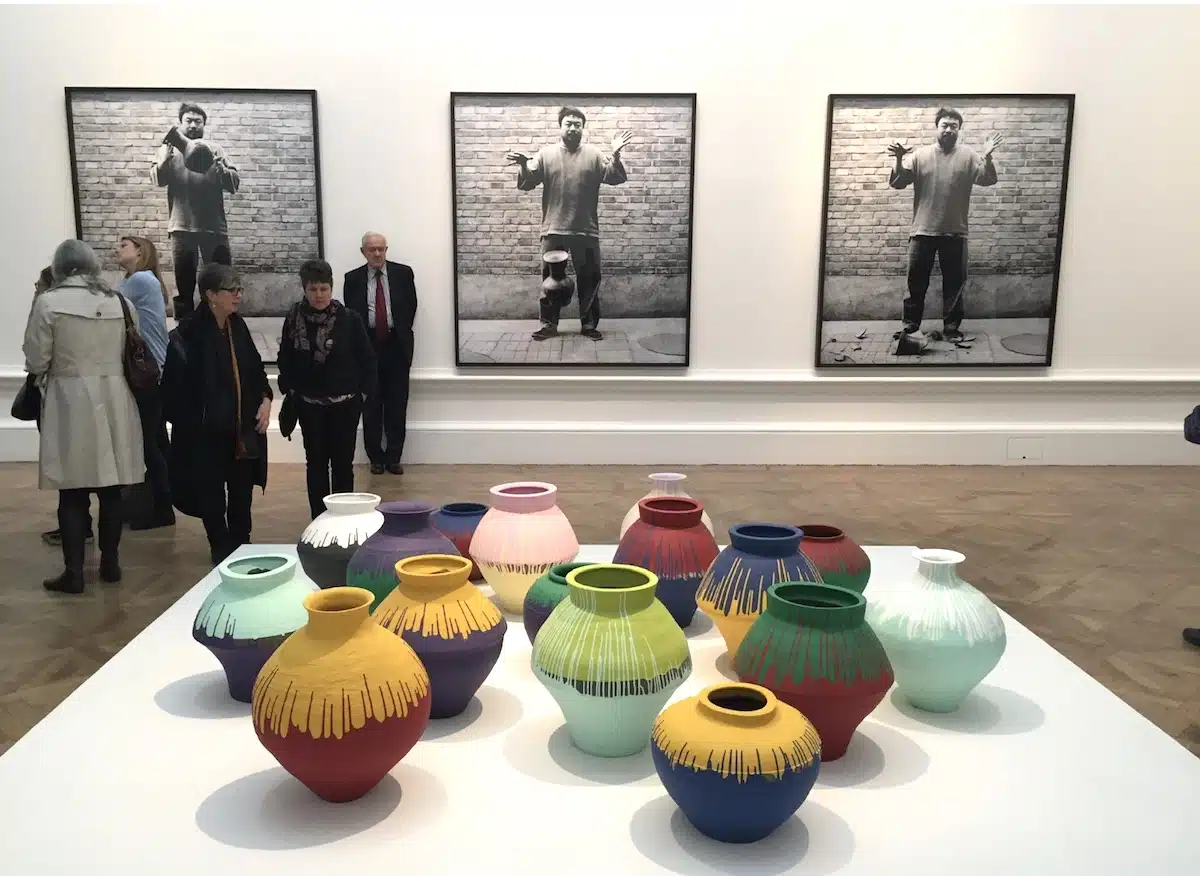
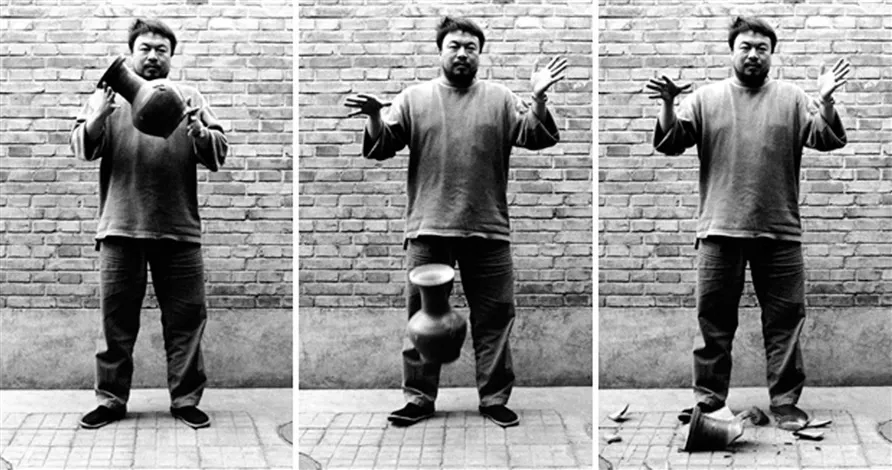
This highly provocative photographic triptych captures the artist intentionally shattering a 2,000-year-old ceremonial urn from the Han Dynasty. The sequence shows Ai Weiwei staring blankly into the camera as the ancient, priceless artifact drops from his hands and smashes into pieces on the ground. This radical act of iconoclasm forces the viewer to confront the mechanisms of cultural valuation. این مجموعه عکس سه‌گانه به‌شدت چالش‌برانگیز، هنرمند را در حال شکستن عمدی یک گلدان تشریفاتی با قدمت ۲۰۰۰ سال از دودمان هان نشان می‌دهد. این توالی، آی وی‌وی را در حالی به تصویر می‌کشد که با چهره‌ای بی‌تفاوت به دوربین خیره شده و این شیء باستانی و بی‌قیمت از دستانش رها شده و روی زمین تکه‌تکه می‌شود. این عمل رادیکال شمایل‌شکنی، مخاطب را وادار می‌کند تا با مکانیسم‌های ارزش‌گذاری فرهنگی روبرو شود.


It inherently questions the worth we assign to historical artifacts versus the creation of new conceptual paradigms through an act of destruction. The artwork directly references Mao Zedong's directive during the Cultural Revolution to destroy the 'Four Olds' (old customs, culture, habits, and ideas) in order to build a new society. By adopting this destructive gesture, Ai critiques the state's systemic erasure of history while simultaneously creating a new, enduring icon of contemporary conceptual art. این اثر ارزش‌گذاری مرسوم روی اشیای تاریخی را در برابر خلق پارادایم‌های مفهومی جدید از طریق پدیده تخریب، زیر سوال می‌برد. این چیدمان مستقیماً ارجاعی است به دستور مائو در دوران انقلاب فرهنگی برای نابودی «چهار کهنه» (رسوم، فرهنگ، عادات و اندیشه‌های قدیمی) جهت ساختن جامعه‌ای جدید. آی وی‌وی با بازتولید این ژست مخرب، ضمن نقد تاریخ‌زداییِ سیستماتیک حکومت، یک اثر نمادین و ماندگار در هنر مفهومی معاصر خلق می‌کند.

Straight مستقیم

Straight (2008-2012) مستقیم (۲۰۰۸-۲۰۱۲)

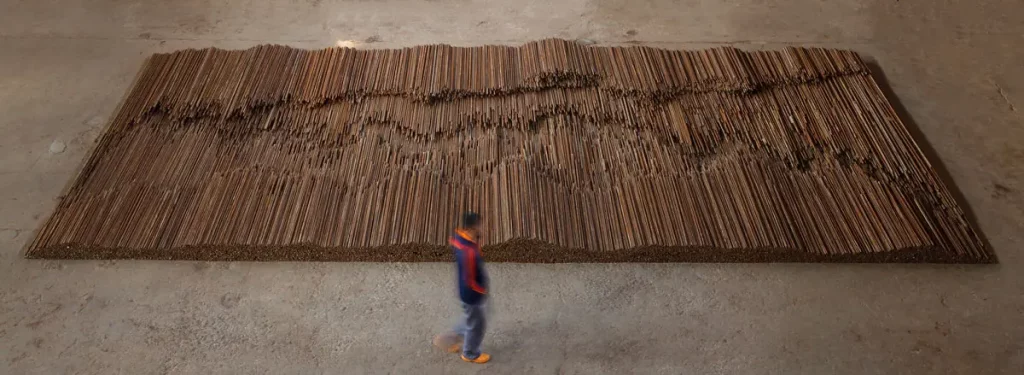
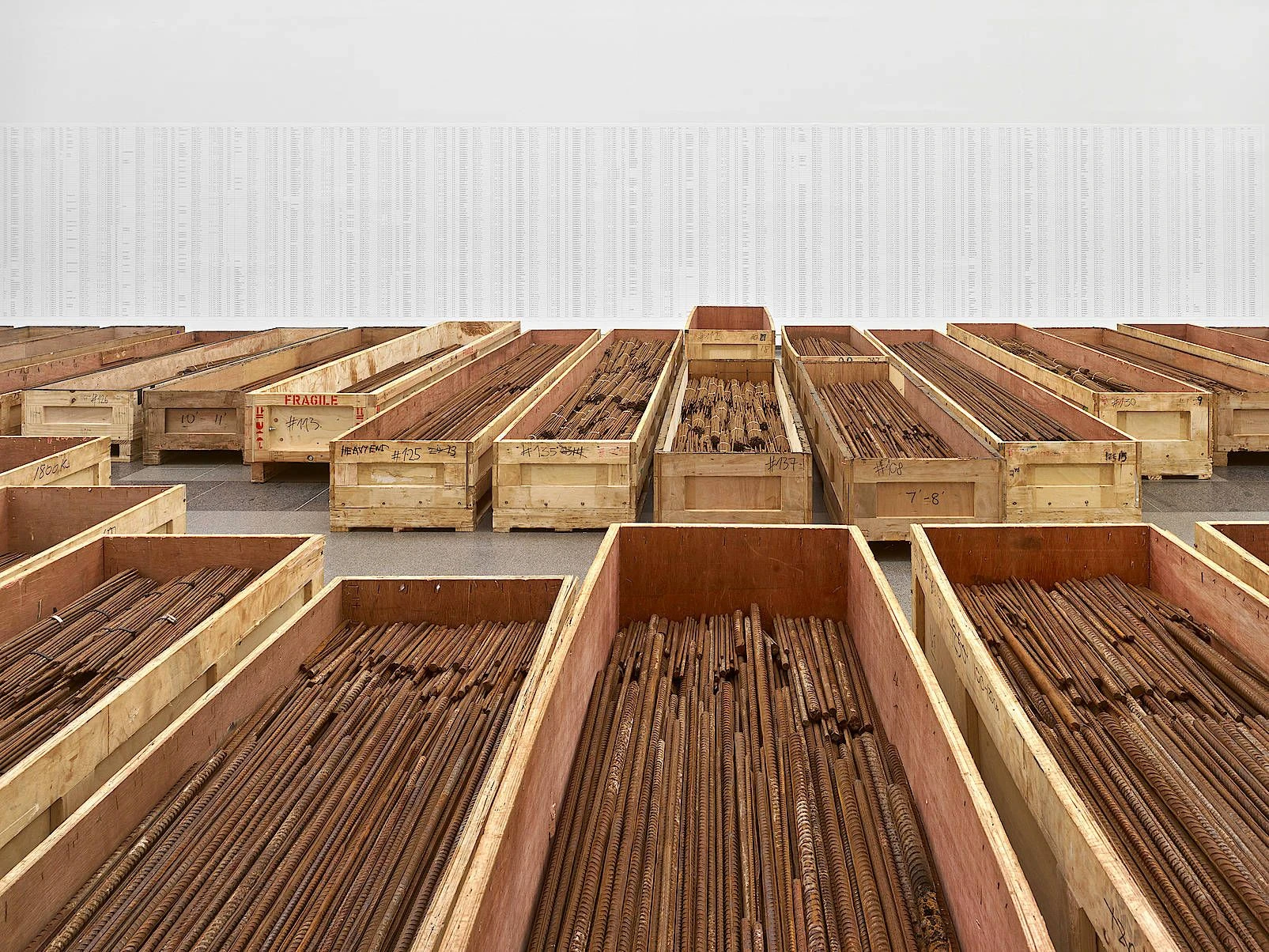
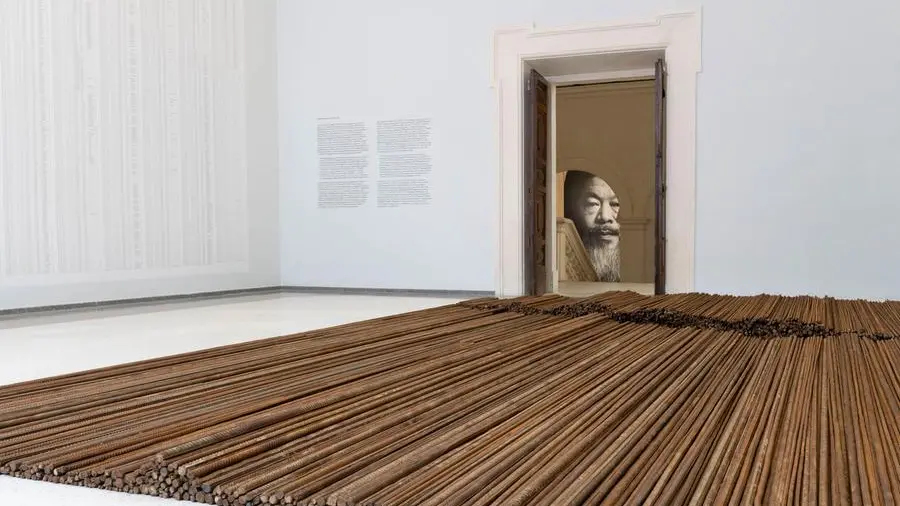
Created in response to the devastating 2008 Sichuan earthquake, 'Straight' is a powerful indictment of political corruption and compromised engineering. Following the disaster, Ai Weiwei initiated an independent citizen investigation to uncover the names of over 5,000 students who perished when their poorly constructed 'tofu-dreg' government schools collapsed. اثر «مستقیم» که در واکنش به زلزله ویرانگر سال ۲۰۰۸ سیچوان خلق شد، کیفرخواستی قدرتمند علیه فساد سیاسی و مهندسی‌های سازش‌کارانه است. پس از این فاجعه، آی وی‌وی یک تحقیق شهروندی مستقل را برای کشف نام بیش از ۵۰۰۰ دانش‌آموزی آغاز کرد که به دلیل فروریختن مدارسِ دولتی بی‌کیفیت (معروف به پروژه‌های تفاله‌توفو) جان باختند.


The artist secretly purchased and recovered 150 tons of twisted steel rebar from the earthquake ruins. In his studio, a team of workers painstakingly hammered and straightened each piece of mangled steel to its original, unbent form. Arranged on the floor to resemble a rolling landscape or a seismic fault line, the installation serves as a stark, impossibly heavy memorial. The agonizing physical labor required to straighten the steel reflects the immense, painful effort needed to rectify systemic injustice and seek the truth in an opaque society. این هنرمند به صورت مخفیانه ۱۵۰ تن میلگرد فولادیِ درهم‌پیچیده را از میان ویرانه‌های زلزله خریداری و جمع‌آوری کرد. در استودیوی او، تیمی از کارگران با زحمت و ضربات پتک، تک‌تک میلگردهای له‌شده را به فرم صاف و اولیه خود بازگرداندند. این چیدمان که روی زمین به شکل یک منظره موج‌دار یا یک گسل زلزله چیده شده است، به عنوان یادمانی بی‌نهایت سنگین و تلخ عمل می‌کند. کار فیزیکی طاقت‌فرسای لازم برای صاف کردن فولاد، بازتابی از تلاش عظیم و دردناک مورد نیاز برای اصلاح بی‌عدالتی‌های سیستماتیک و جستجوی حقیقت در یک جامعه غیرشفاف است.

Biography بیوگرافی

Artist Biography بیوگرافی هنرمند

Born in 1957 in Beijing, Ai Weiwei is widely considered one of the most significant and outspoken contemporary artists in the world. Growing up in exile in Xinjiang due to his father's denunciation by the state, Ai's early life deeply informed his profound suspicion of authoritarian structures. After living in the United States during the 1980s, where he was exposed to conceptual art and the works of Marcel Duchamp, he returned to China in 1993 to care for his ailing father. آی وی‌وی متولد سال ۱۹۵۷ در پکن، به طور گسترده به عنوان یکی از مهم‌ترین و صریح‌ترین هنرمندان معاصر در سطح جهان شناخته می‌شود. بزرگ شدن در تبعید در منطقه سخت سین‌کیانگ (به دلیل محکومیت پدر شاعرش توسط حکومت)، بدبینی عمیق او را نسبت به ساختارهای اقتدارگرا و توتالیتر شکل داد. او پس از زندگی در ایالات متحده در دهه ۱۹۸۰ و آشنایی عمیق با هنر مفهومی و آثار مارسل دوشان، در سال ۱۹۹۳ برای مراقبت از پدر بیمارش به چین بازگشت.

His artistic practice transcends traditional mediums, seamlessly merging Chinese craftsmanship with modern conceptual paradigms. He employs sculpture, installation, architecture, photography, and film to address critical issues such as human rights violations, freedom of speech, and the global refugee crisis. His unapologetic activism and relentless critique of the Chinese government led to his secret 81-day detention without official charge in 2011. Today, operating from Europe, he continues to use his massive global platform to confront institutional power and advocate for fundamental human dignities. فعالیت هنری او فراتر از رسانه‌های سنتی است و با مهارتی بی‌نظیر، صنایع دستی سنتی چین را با پارادایم‌های مفهومی مدرن ترکیب می‌کند. او از مجسمه‌سازی، چیدمان، معماری، عکاسی و فیلم‌سازی بهره می‌گیرد تا به مسائل بحرانی نظیر نقض حقوق بشر، آزادی بیان و بحران جهانی پناهجویان بپردازد. فعالیت‌های مدنی بی‌پرده و نقد بی‌امان او از دولت چین، منجر به بازداشت مخفیانه ۸۱ روزه او بدون تفهیم اتهام رسمی در سال ۲۰۱۱ شد. امروزه او با استقرار در اروپا، پیوسته از پلتفرم عظیم جهانی خود برای رویارویی با قدرت‌های نهادینه و دفاع از کرامت‌های بنیادین انسانی استفاده می‌کند.

Contact ارتباط

Studio استودیو و نمایندگی‌ها

Ai Weiwei's studio operates as a multifaceted organization coordinating international museum exhibitions, monumental architectural projects, and independent documentary film releases. For professional inquiries regarding new commissions, extensive archive requests, or official press materials, please contact the administrative team directly. استودیوی آی وی‌وی به عنوان یک سازمان چندوجهی عمل می‌کند که مسئولیت هماهنگی نمایشگاه‌های موزه‌ای بین‌المللی، پروژه‌های عظیم معماری و انتشار فیلم‌های مستند مستقل را بر عهده دارد. برای درخواست‌های حرفه‌ای پیرامون سفارشات جدید، دسترسی به آرشیو گسترده آثار یا دریافت محتوای رسمی مطبوعاتی، لطفاً مستقیماً با تیم اداری تماس بگیرید.

Official Inquiries:ارتباطات رسمی:
studio@aiweiwei.com

Primary Galleries:گالری‌های اصلی نماینده:
Lisson Gallery (London, New York, Shanghai)
Galerie neugerriemschneider (Berlin)
Galleria Continua (San Gimignano, Beijing, Les Moulins)